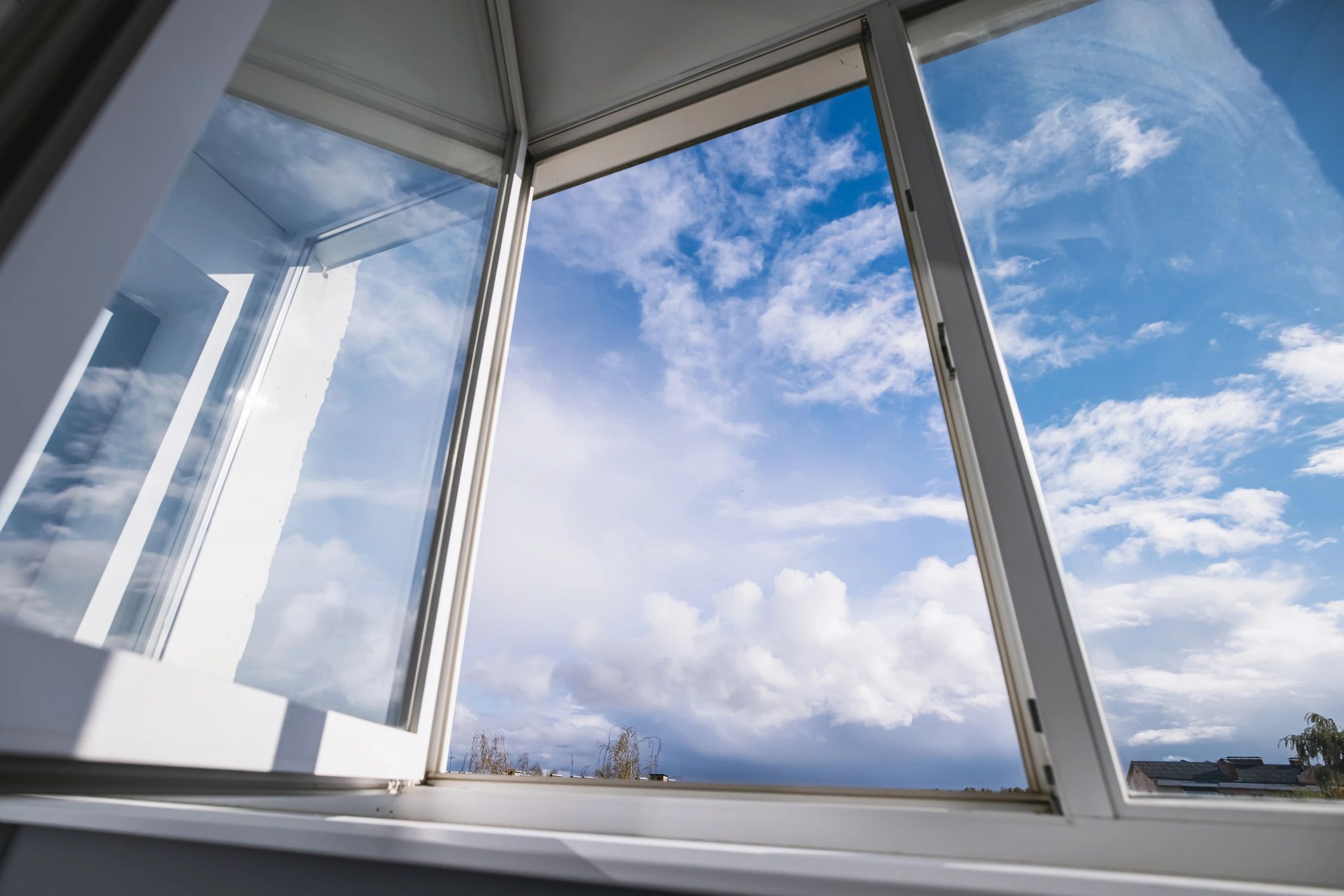
Why windows matter in Texas homes and buildings
Windows do more than “let in light.” In Texas, they affect indoor comfort, HVAC load, noise control, security, and even how well your home handles heat, humidity, and storms. The right window choice can lower energy costs, reduce drafts, and improve curb appeal—while the wrong choice can lead to condensation, stuck sashes, air leaks, and higher utility bills.
If you’re considering new windows, start here: Windows installation options. If you want pricing and a site-specific recommendation, contact Texas Installer Inc.

Common window types (and where they work best)
Different window styles solve different problems—ventilation, egress, cleaning access, and weather resistance. Here are the most common options we see across Texas.
Single-hung and double-hung
Best for: bedrooms, living rooms, general replacement projects.
Single-hung windows have a fixed top sash and a bottom sash that moves. Double-hung windows allow both sashes to move, improving ventilation and making cleaning easier (especially tilt-in designs). They’re a popular, budget-friendly choice for many Texas homes.
Casement windows
Best for: catching breezes, tight seals, hard-to-reach areas (over sinks), modern looks.
Casements crank open like a door and typically seal very tightly when closed. They’re great for ventilation and can be a strong choice when you want fewer air leaks—helpful in hot Texas summers.
Sliding windows
Best for: wide openings, contemporary designs, easy operation.
Sliders open horizontally and work well where you want a wide view. They’re simple to use, but track maintenance matters—dust and debris can affect smooth operation.
Picture (fixed) windows
Best for: maximum daylight and views, energy efficiency, modern elevations.
Picture windows don’t open, so they can be very energy efficient and low-maintenance. Pair them with operable windows nearby if you still want ventilation.
Awning windows
Best for: bathrooms, basements, rain-prone areas, privacy + ventilation.
Awning windows hinge at the top and open outward. They can provide airflow even during light rain, which can be useful in humid parts of Texas.
Bay and bow windows
Best for: curb appeal, adding interior space, living rooms and front elevations.
These project outward to create a larger visual footprint and a small interior ledge or seating area. Because they’re larger assemblies, proper structural support and flashing are critical for long-term performance.
Garden windows
Best for: kitchens, plant shelves, bright accent areas.
Garden windows extend outward like a mini greenhouse. They can add charm, but they must be installed and sealed carefully to avoid water intrusion.
Specialty shapes (arched, round, trapezoid)
Best for: architectural accents and custom designs.
Specialty windows can elevate the look of a home or commercial space. Because they’re often custom, lead times and costs may be higher—so it’s smart to plan early.
Window frame materials: vinyl, aluminum, wood, fiberglass, and composites
Vinyl
Pros: cost-effective, low maintenance, good insulation.
Considerations: quality varies; darker colors can absorb heat; expansion/contraction matters in Texas temperature swings.
Aluminum
Pros: strong, slim sightlines, great for modern commercial looks.
Considerations: can conduct heat; look for thermal breaks for better energy performance.
Wood
Pros: classic appearance, strong insulation, easy to customize.
Considerations: needs regular maintenance; moisture management is important in humid regions.
Fiberglass
Pros: very stable, strong, good insulation, handles heat well.
Considerations: typically higher cost than vinyl; best value when you want long-term performance.
Composite / clad options
Pros: can combine durability with a premium look (for example, wood interior with protective exterior cladding).
Considerations: product lines vary—compare warranties, finishes, and hardware quality.
Commercial storefront systems
Pros: large glass areas, professional appearance, durable framing.
Considerations: requires careful water management, code compliance, and proper glazing selection for safety and energy performance.
Glass and performance options (what to look for on the label)
In Texas, glass selection is often the biggest driver of comfort. When comparing windows, pay attention to these common performance features:
- Double-pane vs. triple-pane: Double-pane is common and effective; triple-pane can improve comfort and noise control but may cost more.
- Low-E coatings: Helps reflect heat and UV—important for reducing solar heat gain and protecting interiors from fading.
- Gas fills (argon/krypton): Improves insulation between panes.
- Solar Heat Gain Coefficient (SHGC): Lower SHGC can help reduce heat gain—often a priority in hot climates.
- U-Factor: Lower is better for insulation (heat transfer).
- Visible Transmittance (VT): Higher VT means more daylight.
- Impact-rated glass: Useful in storm-prone areas and for added security.
Texas-specific guidance: heat, humidity, hail, and wind
Texas conditions can be tough on windows. Here’s what we recommend homeowners and business owners consider:
- Sun exposure: South- and west-facing windows often benefit from Low-E glass and thoughtful shading.
- Humidity and condensation: Proper sealing, quality weatherstripping, and correct installation help prevent moisture issues.
- Hail and wind: Strong frames, quality hardware, and appropriate glazing can reduce damage risk.
- Dust and pollen: Choose window styles that are easy to clean and maintain; keep tracks and weep holes clear.
Replacement vs. new-construction windows (what’s the difference?)
Replacement windows are designed to fit into an existing opening with minimal exterior disturbance. New-construction windows typically include a nailing fin and are installed during new builds or major remodels where siding/stucco work is part of the project. The right choice depends on your wall assembly, exterior finish, and the condition of the existing frame.
Signs it’s time to replace your windows
- Drafts, hot spots, or rooms that won’t stay comfortable
- Condensation between panes (failed seal)
- Rotting wood, soft spots, or water staining around the frame
- Windows that stick, won’t lock, or won’t stay open
- Noticeable outside noise
- Rising energy bills without another clear cause
Installation details that make or break performance
Even the best window can underperform if it’s installed poorly. Key installation details include:
- Correct measurements and squaring: prevents binding and air leaks.
- Flashing and water management: protects the wall assembly from moisture intrusion.
- Air sealing and insulation: reduces drafts and improves comfort.
- Proper shimming and fastening: keeps the unit stable and operating smoothly.
- Interior/exterior trim and caulking: finishes the job and supports long-term durability.
Commercial considerations (storefronts, offices, and multi-unit buildings)
For businesses, windows and glazing can affect customer comfort, security, and operating costs. Consider safety glazing where required, durable hardware, and glass choices that balance daylight with heat control. If you manage a property with multiple units, standardizing window lines and hardware can simplify maintenance over time.
Quick window planning checklist
- Pick the window style(s) that fit the room’s ventilation and cleaning needs
- Choose a frame material that matches your maintenance expectations
- Prioritize Low-E glass and performance ratings for Texas heat
- Decide on replacement vs. new-construction based on exterior finish and framing condition
- Confirm egress requirements for bedrooms (if applicable)
- Plan for consistent trim and finish details
Get help choosing the right windows
Texas Installer Inc helps homeowners and businesses compare window types, materials, and performance options—then installs them with the sealing and flashing details that matter. Learn more on our Windows page, or request a quote to get recommendations for your specific property.